




Find Your Ideal Soprano Sax Teacher for Lessons Online
For beginners to advanced, kids & adults, these excellent Soprano Sax teachers are vetted by staff experts and reviewed by verified students of online lessons at Lessonface.
View All Teachers Related Topics
Discover experienced, passionate Soprano Sax teachers to help you reach your next level.

8 Years on Lessonface
Maureen Walsh
Hi there! My name is Maureen Walsh and I am a classical saxophone instructor. I attended Peabody Conservatory for 8 years (what can I say, I loved it there!) and I have a Bachelor's, Master's and Graduate Performance Diploma from there. I also spent a little time studying with Don Sinta, the former president of the Saxophone Congress.
$45.00 / 30 min

New to Lessonface
Megan Dillon
Dr. Megan Dillon is a Boston-based saxophonist, woodwind doubler, and educator known for her expressive musicality and dynamic performances. She currently serves as a Professor of Saxophone at Keene State College and is on the woodwind faculty at Brimmer & May School and the Dedham School of Music.
$35.00 / 30 min
7 Years on Lessonface
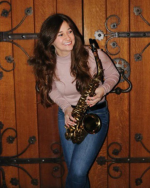
Erika Friedman
2021/2020 TENOR SAX LESSONFACE TEACHER OF THE YEAR! Erika Friedman holds education and performance degrees from Ithaca College (B.M. in Music Education and Saxophone Performance) and New Jersey City University (M.M. in Multiple Woodwind Performance). She has taught private music lessons to beginner and advanced students for over 15 years.
$45.00 / 30 min

2 Years on Lessonface
DIMITRIOS VASSILAKIS
Dimitrios Vassilakis is an internationally acclaimed Greek saxophonist, vocalist, composer, educator, and academic researcher with 5 award-winning albums for historic jazz label Candid Records. He appeared all around the globe, notably in New York at Dizzy’ s Club - Jazz at The Lincoln Center, Birdland, Smalls, Nublu, Zinc, Yale, Natural History Museum DC Smithsonian Institute,…
$50.00 / 30 min
Want help finding your ideal soprano sax teacher?
Fill out the quick form and teachers who fit your needs will be in touch.
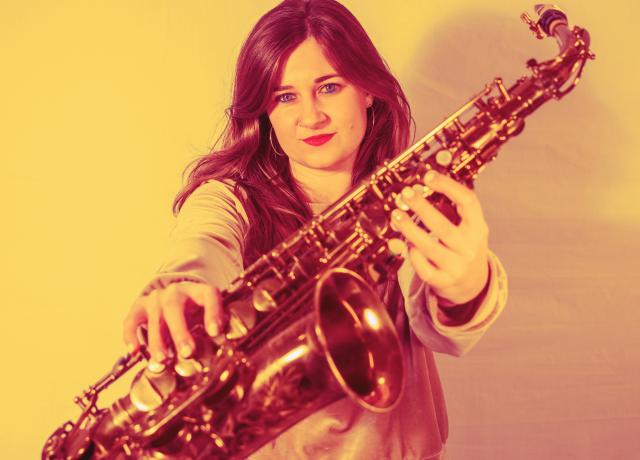
Photo: Erika Friedman


Great Soprano Sax Teachers
Through our longstanding commitment to treat teachers equitably, we work with phenomenal instructors — including members of the MET Orchestra, Juilliard and Berklee alumni, GRAMMY® winners and nominees, and many other professional educators.
View Teachers 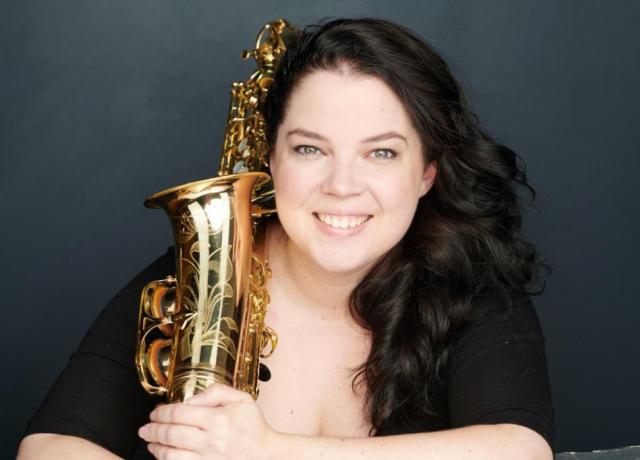
Photo: Maureen Walsh
About Soprano Sax Lessons at Lessonface
Find a great teacher, securely book a first lesson or trial, and meet via Zoom. Lessonface handles the lesson links and sends you reminders. Recordings, assignments, and notes are easy to access before, during, and after the lesson.
View Teachers 


Latest from the Blog
Tips, stories, and interviews from the Soprano Sax community.


Lessonface Guarantee
Reach out to tell us within 48-hours of taking an unsatisfactory lesson, class, or course, and we will offer you a refund. Read more about the guarantee.

Designed for All Ages
Creating a joyful, safe, and convenient educational experience for our students is our goal. Learn more about our kid-friendly features here, or read our privacy policy and safety precautions here.
Have more questions? Check out our FAQ, or reach out.
About Lessonface
At Lessonface, we've held our mission of helping students achieve their goals while treating teachers equitably for over ten years. We're here to help you connect to your ideal teacher and make real progress. Please reach out with any questions or concerns.
 Claire Cunningham
- Founder & CEO
What is Lessonface?
Lessonface is a Public Benefit Corporation operating since 2012 whose purpose is to connect students with great teachers for music, language, and arts lessons. Teachers on Lessonface set their own rates and profiles, and students can select their ideal teachers based on their background, teaching style, rates, and schedule.
How do online Soprano Sax lessons work?
Online lessons are effective, affordable, and accessible. Lessonface qualifies teachers in over 300 music, language, and arts subjects, including Soprano Sax. Students can browse teachers' profiles, send them messages, and book lessons securely through Lessonface. Lessons happen via Zoom links that are securely generated for each lesson, and can be easily recorded by the teacher. Recordings, notes, and attachments can all be accessed from within the Lessonface dashboard. Lessons can be booked one at a time, in packages, or by subscription to save a spot on the teacher's calendar. Lessonface hosts recitals, open mics, group classes, and self-paced courses too. Registering an account is free so it's easy to get started reaching out to find your ideal instructor. Contact us with any further questions!
What is the best method for learning Soprano Sax ?
We're biased, of course, but at Lessonface we believe the best way to learn Soprano Sax is through one-on-one lessons. Personalized instruction means your teacher can tailor every lesson to your goals, learning style, and skill level. Online group classes can also be a great way to make learning fun and social. Learning Soprano Sax online makes it easy to stay consistent, which is essential to steady progress.
There are plenty of apps and YouTube videos out there to help with learning Soprano Sax, but most teachers agree that those resources work best as supplements to, not replacements for, one-on-one instruction. A skilled Soprano Sax teacher can identify bad habits before they become ingrained, help you focus on what matters most, and solve problems as soon as they arise, often saving you months of frustration and wasted practice time. The bottom line? A real teacher accelerates your progress and keeps you on the right path from day one.
How do I find the best teacher for me for Soprano Sax lessons?
With over 100 qualified Soprano Sax teachers who have together earned an average of 5 out of 5 stars over 72 lesson reviews by verified students, you can be sure to find a great instructor at Lessonface.
Lessonface offers free tools to help you find the ideal tutor for you or your family:
- Use the open filtering system
- Use our matching service to describe your background, scheduling preferences, and any particular goals, and qualified Soprano Sax teachers will respond.
You can view teachers' bios, accolades, rates, send them a message and book lessons from their profiles.
Many teachers offer a free trial, and you can book lessons one at a time until you decide you prefer to book a bundle or subscribe, so don't hesitate to try. Teachers may also offer group classes, self-paced courses, and downloadable content, so there are more ways to get started while you're still getting acquainted with the community.
How much do Soprano Sax lessons cost?
Soprano Sax teachers on Lessonface set their own rates. Rates are displayed on the teachers' profile pages and in the checkout process prior to booking. Teachers may choose to change their rates for new bookings, and students will always be notified prior to making payment. The average paid for a Soprano Sax lesson on Lessonface in the past 12 months was $44.21. Some Soprano Sax teachers offer a free trial lesson to new students, which are not factored into the average prices.
How does payment work for Soprano Sax lessons?
There is no fee until you book your first paid lesson. Many teachers offer free trial lessons. Students can opt to book one a time, or purchase lesson packages or subscriptions for scheduling convenience, and, depending on the teachers, a discount. Payment can be made by credit card or Paypal. Lessons booked with a subscription are pre-paid three days before the end of the month for lessons that are scheduled for the following month. Subscription payments can only be made by credit card (not Paypal). Teachers receive their payment after the lesson has been completed.
What kind of saxophones are there? If you learn one, can you play the others?
The saxophone family is larger than most people realize. The four most common saxophones are soprano, alto, tenor, and baritone, ranging from smallest and highest-pitched to largest and lowest. Beyond these four, there are less common members of the family including the sopranino, bass, and contrabass saxophone, though these are rarely encountered outside of specialized ensembles.
Each saxophone has its own distinct character. The soprano has a bright, penetrating tone and is associated with jazz players like John Coltrane and Sidney Bechet. The alto is expressive and versatile, equally at home in classical and jazz settings. The tenor has a rich, warm sound and is probably the most recognizable saxophone voice in jazz and rock. The baritone brings a deep, powerful low end and is a cornerstone of big band and funk horn sections.
The good news for anyone wondering about switching: if you learn one saxophone, picking up another is genuinely manageable. The fingering system is essentially the same across the entire family, and the embouchure principles carry over, though each instrument has its own feel and requires some adjustment. Most saxophonists who specialize on one instrument can play the others to some degree, and many professionals double on two or more.
Alto is the most common starting point, but your musical goals and the guidance of a good teacher should ultimately drive the choice.
What gear do I need to get started on soprano saxophone?
The soprano saxophone requires less gear than many instruments to get started, but a few items matter more than you might expect.
The saxophone itself. Soprano saxophones come in two shapes — straight and curved. Straight sopranos are more common and are the standard professional choice. Curved sopranos look a little like a miniature alto and are sometimes preferred by younger players or those who find the straight horn awkward to hold. The shape affects playability and ergonomics more than tone, though opinions vary.
The mouthpiece. This matters enormously on soprano — more than on alto or tenor. The mouthpiece that comes with a student soprano is often the weakest link in the setup. A quality aftermarket mouthpiece makes a significant difference in tone, response, and intonation. Your teacher can advise on what suits your style and goals.
Reeds. Soprano uses its own reed size — not interchangeable with alto or tenor. Beginners typically start with a softer reed (strength 2 or 2.5) and adjust as their embouchure develops. Reeds are consumable and need to be replaced regularly.
The ligature — the clamp that holds the reed to the mouthpiece — affects response and tone more than most beginners expect. The one that comes with the mouthpiece is fine to start with.
Other essentials:
- A good neck strap — soprano is lighter than alto or tenor but still needs support
- Cleaning swabs and a case — moisture management is important for pad longevity
- A tuner — essential on soprano given its intonation demands
Your teacher is the best guide on mouthpiece and reed selection — both are worth discussing early.
Straight vs. curved soprano saxophone — does it make a difference?
The straight and curved soprano are the same instrument in terms of pitch, range, and fundamental design — both are Bb soprano saxophones with the same fingering system and the same basic acoustic principles. The difference is purely in the shape of the tubing.
That said, players and teachers do report real differences worth knowing about:
- Ergonomics and comfort. The straight soprano is held out in front of the player at an angle, which can feel awkward — particularly for younger players or those with shorter arms. The curved soprano sits closer to the body, more like a miniature alto, which many players find more comfortable to hold for extended periods.
- Tone. This is where opinion divides. Some players and teachers maintain that the curved soprano produces a slightly warmer, rounder tone, while the straight produces a brighter, more focused sound. Others argue the difference is negligible and that mouthpiece, reed, and player technique matter far more than the shape. Whether the additional bends in a curved instrument produce a meaningful tonal difference is genuinely debated.
- Professional standard. Straight sopranos are the overwhelming choice among professional players and are considered the standard instrument for serious study. Most recorded soprano saxophone you've heard was played on a straight horn.
- Practicality. Straight sopranos are more widely available and have more options at every price point.
For beginners, either works. If comfort and ease of holding are a concern — particularly for younger students — the curved soprano is a reasonable choice. For most adult learners, the straight soprano is the standard recommendation.
What styles of music is the soprano saxophone best known for?
The soprano saxophone is most closely associated with jazz, but its stylistic reach is broader than that association suggests.
Jazz is where the soprano found its identity. Sidney Bechet, the New Orleans-born clarinetist who picked up a soprano saxophone in London in 1919, was the first major jazz voice on the instrument. After Bechet, the soprano largely receded until John Coltrane brought it back to prominence in the early 1960s — his recordings on soprano, particularly "My Favorite Things," redefined what the instrument could do and inspired a generation of players. Wayne Shorter, Dave Liebman, and Branford Marsalis all carry that lineage forward.
Beyond jazz, the soprano is at home in several other contexts:
- Classical music — the soprano leads the saxophone quartet and has a growing solo and chamber repertoire. Composers from Debussy onward have written for it, and contemporary classical music has embraced it enthusiastically.
- World music — the soprano's bright, penetrating tone sits naturally in Middle Eastern, South Asian, and African musical contexts. Kenny G's enormous commercial success in the 1980s and 90s brought it to a global pop audience, for better or worse.
- Contemporary and crossover — the soprano's flexibility makes it a favorite in fusion, smooth jazz, and experimental contexts
- Sacred and folk music — its clear, singing tone suits hymns, folk melodies, and traditional music across many cultures
The soprano's distinctive voice — bright, focused, and slightly exotic — gives it a character unlike any other saxophone.
I play alto or tenor saxophone or clarinet. How hard will it be to learn soprano sax?
If you already play alto, tenor, or clarinet, you have a meaningful head start on soprano — but the specifics depend on where you're coming from.
Alto saxophone players will find the transition most straightforward. The fingering is identical, the transposition is the same, and the general feel of the instrument is familiar. The main adjustments are the smaller mouthpiece, the narrower embouchure required, and the intonation demands that the soprano places on even experienced players. Many alto players are surprised by how much more careful attention the soprano requires to stay in tune.
Tenor saxophone players share the same fingering system, which means the technical transition is similarly smooth. The bigger adjustment is the embouchure — tenor players are used to a larger, more relaxed mouthpiece setup, and the soprano's smaller, more focused embouchure can take real time to develop. The soprano also sits in a higher register than tenor, which takes some adjustment.
Clarinet players often find the soprano the most natural saxophone to start on — more so than alto or tenor. The embouchure is closer to clarinet than the other saxes, the instrument is a similar size, and the tone production feels more familiar. The main differences are learning the saxophone's fingering system and key layout.
For all three groups, the soprano's intonation sensitivity is the common challenge. A strong foundation on your primary instrument helps considerably — the more solid your embouchure and breath support, the faster soprano will respond.
What are the most important techniques to focus on as a beginning soprano saxophonist?
The soprano saxophone shares its fundamental technique with the rest of the saxophone family, but it places extra demands on a few specific areas that beginners should know about.
Embouchure is the foundation. On soprano it's more critical than on any other saxophone. The mouthpiece is small and the margin for error is narrow — a too-loose or too-tight embouchure produces a noticeably different pitch or tone. Developing a firm, consistent embouchure from the start pays dividends throughout your playing.
Breath support is equally essential. The soprano needs a steady, focused air stream to respond well and stay in tune. Many beginners either overblow — causing the instrument to squeak or go sharp — or underblow, producing a thin, unfocused tone. Learning to find and maintain the right air pressure for each register takes time and attention.
Intonation is the soprano's defining technical challenge. The instrument tends to go sharp in the upper register and flat in the lower, and certain notes have particular tendencies that every player must learn to manage. A tuner is an essential practice tool for checking pitch and developing the ear and embouchure awareness needed to self-correct in real time.
Tone production — developing a full, centered, consistent sound across the instrument's range. The soprano's bright tone can easily become harsh or shrill; learning to keep it warm and focused is one of the most rewarding aspects of the instrument.
Other key areas:
- Articulation — clean tonguing that doesn't interrupt the air stream
- Altissimo register — the extended upper range, introduced gradually as fundamentals develop
- Long tones — the single most effective daily practice for tone and intonation on soprano
Should I start on soprano saxophone, or learn on alto or tenor first?
For most beginners, starting on alto saxophone is the stronger choice — and most teachers will recommend it.
The alto is the most common starting point for practical reasons. It's a comfortable size, sits in a forgiving middle register, and responds reliably enough that beginners can focus on fundamentals — embouchure, breath support, tone production, and fingering — without fighting the instrument. Most method books and lesson materials are written with alto in mind.
The soprano presents specific challenges that make it less ideal as a first saxophone. Its narrow mouthpiece makes it unusually sensitive to embouchure — small variations produce large variations in pitch and tone. Intonation on soprano is notoriously difficult even for experienced players, and most teachers recommend waiting until a student has solid fundamentals before adding soprano.
The tenor is a reasonable alternative starting point — particularly for players with larger hands or those drawn to jazz or R&B.
A few situations where starting on soprano might make sense:
- You already play clarinet — the embouchure translates more directly to soprano than to alto
- Your teacher specifically recommends it based on your goals
- You have a strong specific reason for wanting soprano as your primary instrument
When in doubt, book a trial lesson — your teacher can give you a specific recommendation.