





Find Your Ideal Clarinet Teacher for Lessons Online
For beginners to advanced, kids & adults, these excellent Tuba teachers are vetted by staff experts and reviewed by verified students of online lessons at Lessonface.
View Teachers Related Topics
Discover experienced, passionate Clarinet teachers to help you reach your next level.
100+
Vetted Teachers
5.0
Average Rating
550+
Student Ratings
~$35
Avg. Lesson Price
View All Teachers

4 yrYears
Teaching on Lessonface
Christine Lourens
"Your purpose in life is to use your gifts and talents to help other people. Your journey in life teaches you how to do that". - Tom Krause My two greatest passions in life are music and serving. I believe that gifts are meant to be shared, and this is the motto according to which I find great joy in living my life.
$18.50 / 30 min

9 yrYears
Teaching on Lessonface
Liz Ramirez
"2025-2019 Clarinet Teacher of the Year!" I love working with complete beginners who are looking to make incredible strides, such as starting from scratch and learning all they need to in a short period of time to join a school ensemble! I specialize in helping beginner clarinetist play with confidence from the very start of their journey!
$48.00 / 30 min

8 yrYears
Teaching on Lessonface
Oscar zuddas
NEW STUDENT SPECIAL SPRING OFFER - NEW STUDENTS BOOKING BEFORE 30 APRIL - BUY 7 GET 1 FREE LESSON! I am an Italian clarinetist and I live in Rome. I graduated in clarinet in the conservatory of Cagliari under the guidance of R. Marroccu and Versailles-Paris under the guidance of P. Cuper (principal clarinet at Opera Paris).I attended master classes with C. Palermo, A. Carbonare, P.
$19.00 / 30 min

2 yrYears
Teaching on Lessonface
Rhonda Clark
Welcome to my music studio called MusicLessons4fun, where personalized, one-on-one instruction is provided in a very relaxed atmosphere. My goal is to keep your lessons stress free and fun! I have been giving private, one on one instrumental lessons for over 50 years and love what I do! I am very relaxed, easy to get along with, love to laugh and have fun!
$24.00 / 30 min

Photo: Ben Van Wyk
Ben is always very supportive - reminding I CAN do a piece even when I think I can't.

Want help finding your ideal clarinet teacher?
Fill out the quick form and teachers who fit your needs will be in touch.
Join live sessions and learn Clarinet alongside others.
Upcoming Live Classes
4.9
Average Rating
70+
Student Ratings
~$82
Avg. Price
Free Mini-Class - Learn to Play for Ceremonies on the Native American Style Flute
 Ami Sarasvati
 Sold Out
UTC
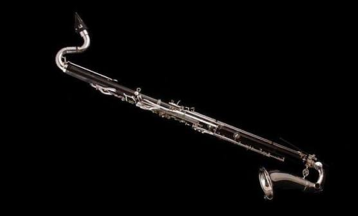

Photo: Nikita Naymushin




Great Clarinet Teachers
Through our longstanding commitment to treat teachers equitably, we work with phenomenal instructors — including members of the MET Orchestra, Juilliard and Berklee alumni, GRAMMY® winners and nominees, and many other professional educators.
View Teachers 
Photo: Lauren Kinane
About Clarinet Lessons at Lessonface
Find a great teacher, securely book a first lesson or trial, and meet via Zoom. Lessonface handles the lesson links and sends you reminders. Recordings, assignments, and notes are easy to access before, during, and after the lesson.
View Teachers Downloadable materials include packs, guides, and exercises to help you learn.
3
Downloadables
Students have given their Lessonface
lessons over
37,000+ reviews.
Best music teacher we've had on or offline.
Liz is always professional and patient. She gives me excellent feedback and instruction. I've thoroughly enjoyed our lessons.
Our oldest son worked hard with Luke and earned first chair clarinet in our region in TX!! Our son just came home from a 2 day clinic and concert and got up early the next morning to play and make sure he was ready for his lesson with Luke this afternoon.


Latest from the Blog
Tips, stories, and interviews from the Clarinet community.

Lessonface Guarantee
Reach out to tell us within 48-hours of taking an unsatisfactory lesson, class, or course, and we will offer you a refund. Read more about the guarantee.

Designed for All Ages
Creating a joyful, safe, and convenient educational experience for our students is our goal. Learn more about our kid-friendly features here, or read our privacy policy and safety precautions here.
Have more questions? Check out our FAQ, or reach out.
About Lessonface
At Lessonface, we've held our mission of helping students achieve their goals while treating teachers equitably for over ten years. We're here to help you connect to your ideal teacher and make real progress. Please reach out with any questions or concerns.
 Claire Cunningham
- Founder & CEO
What is Lessonface?
Lessonface is a Public Benefit Corporation operating since 2012 whose purpose is to connect students with great teachers for music, language, and arts lessons. Teachers on Lessonface set their own rates and profiles, and students can select their ideal teachers based on their background, teaching style, rates, and schedule.
How do online Clarinet lessons work?
Online lessons are effective, affordable, and accessible. Lessonface qualifies teachers in over 300 music, language, and arts subjects, including Clarinet. Students can browse teachers' profiles, send them messages, and book lessons securely through Lessonface. Lessons happen via Zoom links that are securely generated for each lesson, and can be easily recorded by the teacher. Recordings, notes, and attachments can all be accessed from within the Lessonface dashboard. Lessons can be booked one at a time, in packages, or by subscription to save a spot on the teacher's calendar. Lessonface hosts recitals, open mics, group classes, and self-paced courses too. Registering an account is free so it's easy to get started reaching out to find your ideal instructor. Contact us with any further questions!
What is the best method for learning Clarinet ?
We're biased, of course, but at Lessonface we believe the best way to learn Clarinet is through one-on-one lessons. Personalized instruction means your teacher can tailor every lesson to your goals, learning style, and skill level. Online group classes can also be a great way to make learning fun and social. Learning Clarinet online makes it easy to stay consistent, which is essential to steady progress.
There are plenty of apps and YouTube videos out there to help with learning Clarinet, but most teachers agree that those resources work best as supplements to, not replacements for, one-on-one instruction. A skilled Clarinet teacher can identify bad habits before they become ingrained, help you focus on what matters most, and solve problems as soon as they arise, often saving you months of frustration and wasted practice time. The bottom line? A real teacher accelerates your progress and keeps you on the right path from day one.
How do I find the best teacher for me for Clarinet lessons?
With over 100 qualified Clarinet teachers who have together earned an average of 4.98 out of 5 stars over 558 lesson reviews by verified students, you can be sure to find a great instructor at Lessonface.
Lessonface offers free tools to help you find the ideal tutor for you or your family:
- Use the open filtering system
- Use our matching service to describe your background, scheduling preferences, and any particular goals, and qualified Clarinet teachers will respond.
You can view teachers' bios, accolades, rates, send them a message and book lessons from their profiles.
Many teachers offer a free trial, and you can book lessons one at a time until you decide you prefer to book a bundle or subscribe, so don't hesitate to try. Teachers may also offer group classes, self-paced courses, and downloadable content, so there are more ways to get started while you're still getting acquainted with the community.
How much do Clarinet lessons cost?
Clarinet teachers on Lessonface set their own rates. Rates are displayed on the teachers' profile pages and in the checkout process prior to booking. Teachers may choose to change their rates for new bookings, and students will always be notified prior to making payment. The average paid for a Clarinet lesson on Lessonface in the past 12 months was $26.13. Some Clarinet teachers offer a free trial lesson to new students, which are not factored into the average prices.
How does payment work for Clarinet lessons?
There is no fee until you book your first paid lesson. Many teachers offer free trial lessons. Students can opt to book one a time, or purchase lesson packages or subscriptions for scheduling convenience, and, depending on the teachers, a discount. Payment can be made by credit card or Paypal. Lessons booked with a subscription are pre-paid three days before the end of the month for lessons that are scheduled for the following month. Subscription payments can only be made by credit card (not Paypal). Teachers receive their payment after the lesson has been completed.
Is clarinet easy to learn? How long does it take to play a recognizable song?
Clarinet has a reputation for being one of the trickier wind instruments to start, but "tricky" doesn't mean discouraging — it just means the first few weeks involve a real learning curve that most beginners get through faster than they expect.
The main challenge early on is producing a good tone. Getting a clear, steady sound (rather than a squeak) takes some adjustment to your embouchure, which is the way you shape your mouth and apply pressure to the mouthpiece and reed. Most students get past the worst of this in the first month or two with regular practice and good teacher guidance, but tone development is an ongoing process even for advanced players.
The good news on timeline: most beginners can play a simple, recognizable melody within the first few weeks of lessons. The clarinet has a logical fingering system, and early songs don't require mastery of the full range of the instrument — just a handful of notes in the middle register.
Here's a realistic timeline for a beginner practicing 15-20 minutes most days:
- Simple melodies in a few weeks
- Basic songs with some fluency in 2-3 months
- Playing pieces start to finish with real confidence and expression after 6-12 months
The single biggest factor in your timeline isn't natural talent — it's consistency. Short, regular practice sessions beat long occasional ones every time, especially in the early stages when you're building muscle memory and training your ear.
What styles of music can be played on the clarinet?
The clarinet is one of the most stylistically versatile instruments in existence. It has a strong presence in classical music — from orchestral and chamber music to solo repertoire — but its range doesn't stop there by a long shot.
In classical music, the clarinet is a cornerstone of the orchestra and a beloved chamber music instrument. Mozart's Clarinet Concerto and Clarinet Quintet are among the most celebrated works ever written for the instrument, and the romantic and modern repertoire is vast. Classical training also builds a strong technical foundation that serves you well in any style you pursue later.
Jazz is probably the clarinet's second most celebrated home. It was a defining voice of early jazz and the swing era, with Benny Goodman and Artie Shaw bringing it to mainstream audiences in the 1930s and 40s. Sidney Bechet pushed its expressive possibilities in New Orleans-style jazz. The clarinet remains a vital presence in traditional jazz and Dixieland, and a growing number of contemporary players are bringing it into modern jazz contexts.
Klezmer, the folk music of Eastern European Jewish tradition, features the clarinet as its most iconic instrument. The clarinet's ability to bend notes, wail, and laugh makes it a natural fit for klezmer's deeply expressive, emotionally wide-ranging style.
Beyond these three, the clarinet appears in Balkan and Turkish folk music, zydeco and Cajun music in Louisiana, Latin traditions in Cuba and Puerto Rico, film scores, pop arrangements, and even some rock and indie recordings. If you have a genre you love, there's a good chance the clarinet has a place in it.
What is a good age for a child to start learning clarinet?
Most children are ready to start clarinet lessons around age 8 or 9. This isn't a hard rule, but there are a few practical reasons for it. The clarinet requires enough hand size and finger strength to cover the keys comfortably, and younger children often struggle with this. It also takes a certain amount of breath control and embouchure development that tends to come more naturally once kids are a bit older.
That said, every child is different. Some 7-year-olds are ready; some 10-year-olds benefit from waiting a little longer. A good teacher will assess your child's physical readiness and attention span before diving in, and a trial lesson is a great way to find out where your child stands without any commitment.
One thing worth knowing: many children start their musical journey on piano or ukulele at a younger age, then transition to clarinet when they're ready. Early music study of any kind builds ear training, rhythm, and music reading skills that will give your child a real head start on clarinet later.
Once a child is ready, progress can be fast and genuinely exciting. With an encouraging teacher and consistent practice, kids often surprise themselves — and their parents — with how quickly they develop.
What kind of clarinet should a complete beginner buy, and what accessories are necessary?
For a complete beginner, a Bb (B-flat) clarinet is the right starting point. It's the most common clarinet, the one used in school bands, and the one most teachers teach on. Unless you have a specific reason to start on something else, this is the clarinet to get.
For most beginners, a quality student-model clarinet from a reputable brand is the best choice. Yamaha, Buffet, and Vandoren all make reliable beginner instruments in the $300-$600 range. It's worth avoiding the very cheapest clarinets on Amazon or eBay — poorly made instruments are harder to play, harder to keep in tune, and can actually slow your progress. If budget is a concern, renting from a music store is a smart option, especially for children who may still be deciding if clarinet is the right fit.
As for accessories, you'll need a few things beyond the instrument itself:
- Reeds: You'll go through these regularly. Beginner players typically start on a size 2 or 2.5 reed. Rico and Vandoren are reliable brands.
- A reed case to keep them in good condition
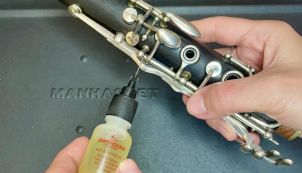
- Cork grease to lubricate the joints when assembling the instrument
- A cleaning swab to dry the inside of the instrument after playing
- A music stand
Your teacher can advise on anything more specific to your setup.
How do I choose the right clarinet reeds?
Reeds are one of those clarinet topics that can feel overwhelming at first, but the basics are straightforward enough to get you started without too much fuss.
Reeds are rated by strength, typically on a scale from 1 to 5. Softer reeds (1, 1.5, 2) require less air pressure and are easier to produce a sound on, which is why beginners usually start on a 2 or 2.5. As your embouchure develops and you build more control, you'll likely move up to a 3 or beyond. Harder reeds give you a fuller, richer tone but require more developed technique to use effectively — starting too hard is a common beginner mistake that makes everything more difficult than it needs to be.
For brand, Rico (now D'Addario) and Vandoren are the two most widely used. Rico reeds are a little more forgiving and consistent for beginners. Vandoren reeds tend to be slightly more refined and are popular with more advanced players, though many beginners use them too.
One thing to know: reeds are somewhat unpredictable. Even within the same box, some will play better than others. This is normal and not a sign that you're doing something wrong. Keeping your reeds in a proper reed case and rotating between a few at a time will extend their life and give you more consistent results.
Your teacher is your best resource for fine-tuning reed choice as you progress.